Lithium Golf Cart Battery Safety Explained
Lithium golf cart batteries offer significant performance advantages, but safety depends on how they are engineered, managed, and used. At Direct Current Lithium, safety is addressed through layered system design, responsible engineering decisions, and clear user guidance informed by real-world fire safety experience.
Safety is not achieved through a single feature or marketing claim. It is the result of disciplined engineering, quality components, and systems designed to operate within controlled limits. Direct Current Lithium approaches safety as a core design requirement, not an afterthought.
Built Safer by Design
Multi-Layer Safety Engineering
Advanced Active Balancing BMS
Every DC Lithium battery includes a high-quality Battery Management System designed to monitor individual cell voltages, prevent over-charging and over-discharging, control charge and discharge currents, and interrupt operation if unsafe conditions are detected. Active balancing helps maintain uniform cell performance, reducing internal stress and improving long-term stability.
Internal Automatic Fire-Supression Device (IAFD)
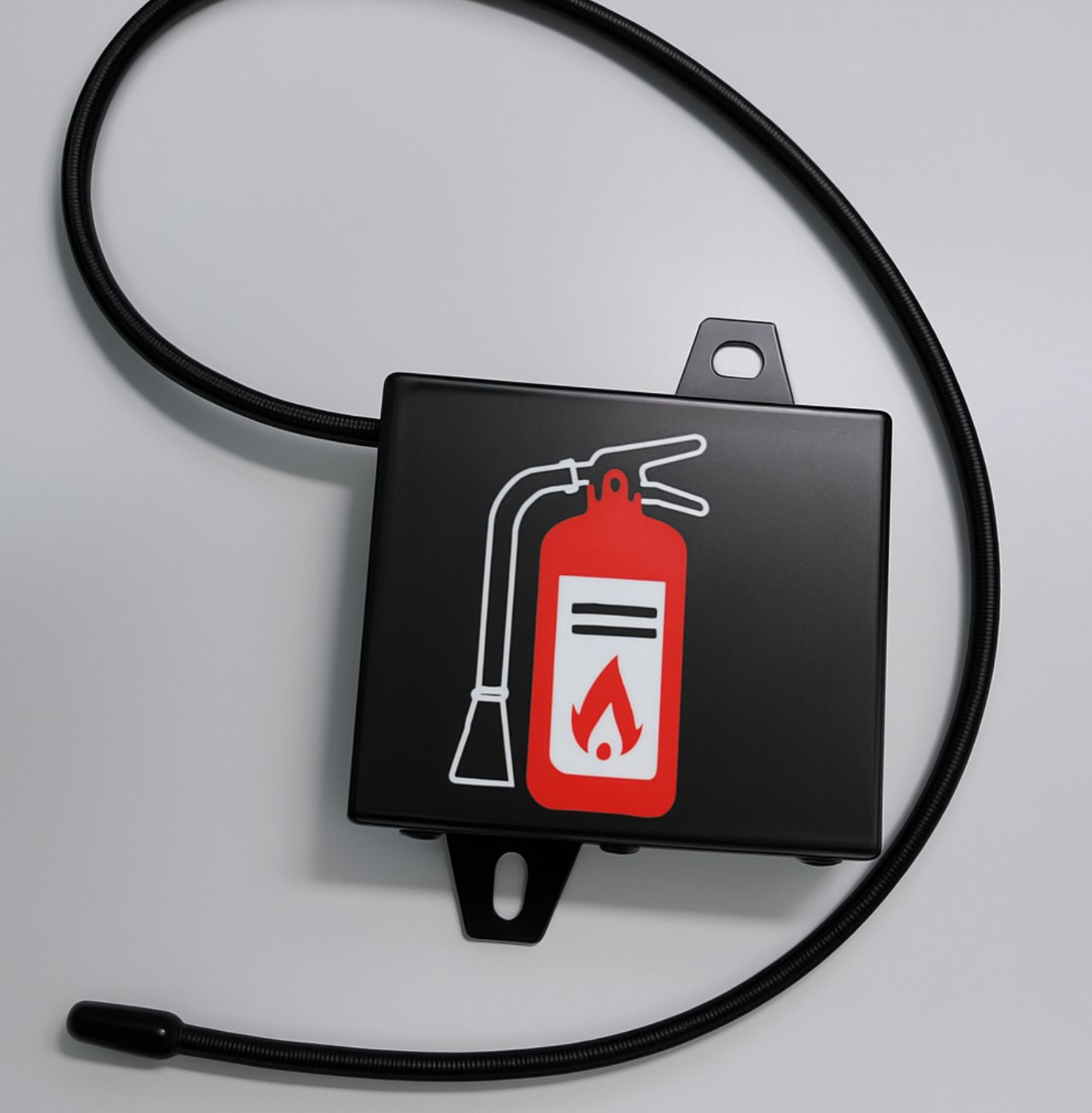
All DC Lithium batteries are equipped with an Internal Automatic Fire-Suppression Device (IAFD) designed to provide an additional internal response layer in the unlikely event of abnormal thermal conditions. The device is engineered to activate automatically under specific internal triggers and release a fire-suppressing agent intended to help limit thermal propagation within the battery enclosure.
Important: The IAFD is not a guarantee against fire and does not replace proper installation, charging, and storage practices. It is one part of a broader, multi-layer safety strategy.
FAQ
-
When properly designed, installed, and used according to manufacturer guidelines, lithium golf cart batteries can be a safe and reliable energy solution. Safety depends on battery management, cell balancing, charging practices, and overall system design. DC Lithium addresses safety through a multi-layer engineering approach and clear user guidance.
-
Lithium batteries store a high amount of energy, and risk exists if a battery is damaged, improperly charged, or used outside recommended conditions. Proper installation, approved chargers, temperature-appropriate charging, and responsible storage significantly reduce risk. No lithium battery should be considered fireproof.
-
Answer
An Internal Automatic Fire-Suppression Device (IAFD) is designed to provide an additional internal response layer in the unlikely event of abnormal thermal conditions. It activates automatically under specific triggers and releases a fire-suppressing agent intended to help limit thermal propagation within the battery enclosure. It is one part of a broader, multi-layer safety design.
-
Answer
Passive balancing dissipates excess energy from higher-voltage cells as heat. Active balancing transfers energy from higher-voltage cells to lower-voltage cells, reducing waste and minimizing unnecessary heat. Reducing internal heat supports long-term stability and safer battery operation. -
Answer
For extended storage, lithium batteries should be stored partially charged, turned off, and kept in a dry, temperature-controlled environment. Accessories that draw standby power should be disconnected. Following storage guidelines helps maintain battery health and reduce risk.